Cloud Computing Growth Accelerates as Businesses Expand AI Adoption

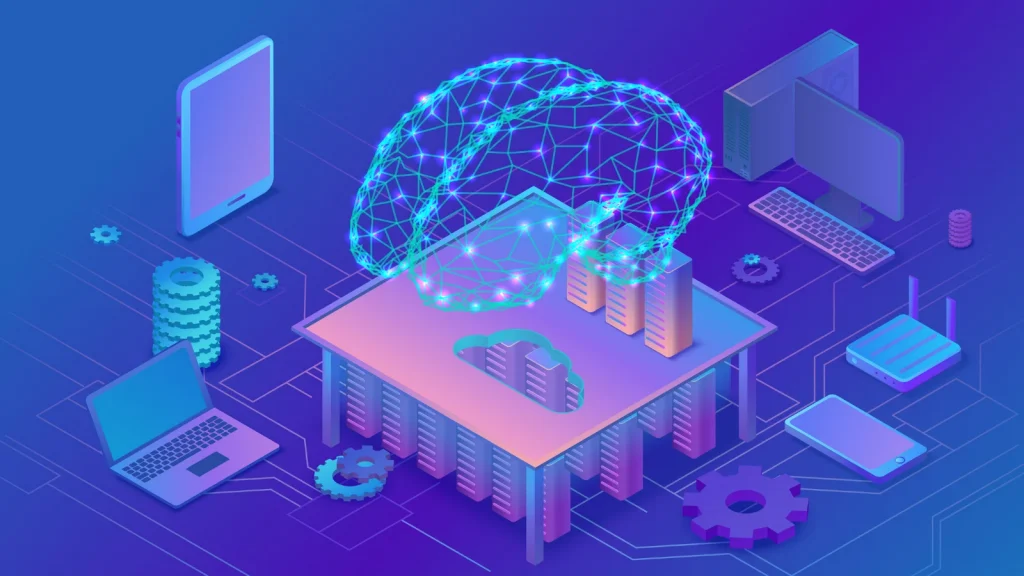
In recent years, cloud computing has evolved from a cost-saving infrastructure choice into the core foundation for digital innovation. The acceleration of artificial intelligence (AI) adoption across all sectors has dramatically magnified this shift, compelling organizations to reimagine how they store, manage, and process data. As more enterprises leverage AI for automation, prediction, and real-time insights, cloud platforms have become indispensable for handling the massive data volumes and computational power required to make these technologies viable. The growth trajectory of the global cloud market reveals a deep interconnection between AI and scalable cloud ecosystems. Public cloud providers such as Amazon Web Services (AWS), Microsoft Azure, and Google Cloud Platform have continually expanded their offerings to meet this demand by integrating sophisticated machine learning frameworks, AI-driven analytics tools, and scalable computing clusters into their platforms. These developments are enabling businesses to innovate faster, reduce operational costs, and maintain agility in an ever-changing digital economy. Organizations around the world are also modernizing their IT infrastructure through hybrid and multicloud deployments. Such setups offer flexibility by combining public cloud scalability with the control and security of private environments. This hybrid approach is especially valuable for industries like finance, healthcare, and manufacturing, where sensitive data protection and regulatory compliance are paramount. Through cloud-native development models, businesses can deploy new applications and services more quickly while maintaining governance and control. Another significant factor fueling this transformation is the growing need for intelligent automation. Companies are using AI-infused cloud services to streamline everything from customer engagement and supply chain optimization to cybersecurity and compliance monitoring. Continuous learning systems built into AI frameworks allow these models to adapt over time, helping organizations stay competitive and responsive. These systems rely heavily on cloud-based data pipelines that integrate real-time analytics, providing actionable insights for decision-makers without the delays caused by traditional data processing methods. The convergence of AI, automation, and cloud infrastructure is also reshaping enterprise culture. Digital transformation is no longer a one-time project but an ongoing process that involves continuous improvement. Cloud computing supports this evolution by offering on-demand scalability and the flexibility to experiment with new technologies such as generative AI, robotic process automation (RPA), and predictive analytics. As AI models grow more sophisticated and data volumes expand, these cloud ecosystems become the only viable solution for sustaining growth, innovation, and performance. Security remains a defining concern in this landscape. As more workloads move to the cloud, enterprises are investing in advanced security measures powered by AI—such as behavior analytics, threat detection, and automated response mechanisms—to protect sensitive information from emerging cyber threats. Modern cloud providers now incorporate multi-layered encryption, zero-trust frameworks, and AI-driven monitoring tools to ensure that organizations can innovate without compromising compliance or data integrity. Overall, the accelerated growth of cloud computing tied to AI expansion is ushering in a new era of intelligent enterprise ecosystems. Businesses that embrace this synergy are better equipped to modernize legacy operations, adapt to regulatory frameworks, and create resilient digital backbones that support continuous innovation. Those that fail to leverage cloud–AI convergence risk falling behind in an increasingly competitive market that rewards agility, scalability, and data-driven decision-making.
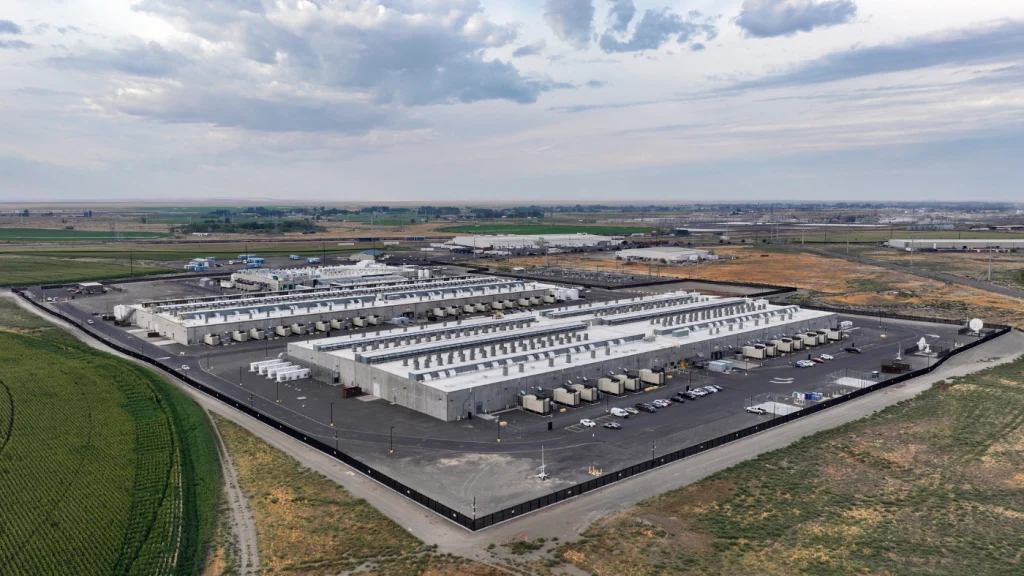
Businesses globally are turning to cloud platforms as the preferred foundation for their AI strategies. From predictive analytics to generative AI and language models, implementing these technologies requires massive computing capabilities and high-performance storage systems. Cloud providers are responding by developing purpose-built AI infrastructure optimized for large-scale model training and inference. This evolution is dramatically shortening the time from model conception to deployment, empowering enterprises to move from experimentation to real-world application faster than ever before. Multicloud strategies are becoming increasingly standard across industries. Rather than relying solely on one provider, organizations leverage multiple clouds to optimize workloads based on cost, performance, and regulatory requirements. For example, sensitive financial data might be stored in a private cloud to ensure compliance, while AI development runs on a public platform offering the latest GPU-powered resources. This multicloud flexibility not only enhances performance but also minimizes vendor lock-in and supports business continuity. Edge computing complements this model by bringing computation closer to where data is generated—at the source. For AI applications that require real-time processing, such as autonomous vehicles, smart factories, or IoT-based monitoring systems, edge-enabled cloud services dramatically reduce latency and improve responsiveness. As businesses adopt AI at scale, the combination of cloud and edge computing is proving critical for ensuring seamless, real-time performance. Sustainability is another emerging driver within this cloud–AI convergence. As data centers expand, enterprises are increasingly aware of their carbon footprints. Many providers are investing heavily in renewable energy, efficient cooling systems, and AI-driven resource management to minimize energy consumption. Sustainable cloud strategies are not only environmentally responsible but also align with corporate governance standards and stakeholder expectations. The workforce impact of this transformation is also profound. Cloud-based AI tools enable remote collaboration, virtual training environments, and low-code/no-code development platforms that democratize access to advanced technologies. Employees can now co-create solutions using shared data models hosted in the cloud, fostering a culture of innovation and continuous learning. Moreover, intelligent automation frees human talent from repetitive tasks, allowing workers to focus on creative problem-solving and strategic initiatives. Interoperability and security compliance continue to shape decision-making as well. Governments and regulatory bodies are increasing oversight of data privacy and AI ethics, requiring that any cloud-based AI deployment complies with regional standards such as GDPR or other emerging frameworks. In response, cloud providers have enhanced transparency, auditability, and governance features, allowing enterprises to maintain trust and integrity as they scale their digital operations. In conclusion, as AI adoption accelerates, cloud computing stands at the center of this revolution—enabling flexible, secure, and intelligent infrastructures that drive innovation and growth. The symbiotic relationship between AI and cloud technology is redefining how businesses compete, collaborate, and create value. Whether through edge analytics, sustainable infrastructure, or cross-platform integration, the message is clear: the future of digital transformation is not just in the cloud—it is being redefined by intelligence within it.


Leave a Reply

Your email address will not be published. Required fields are marked *