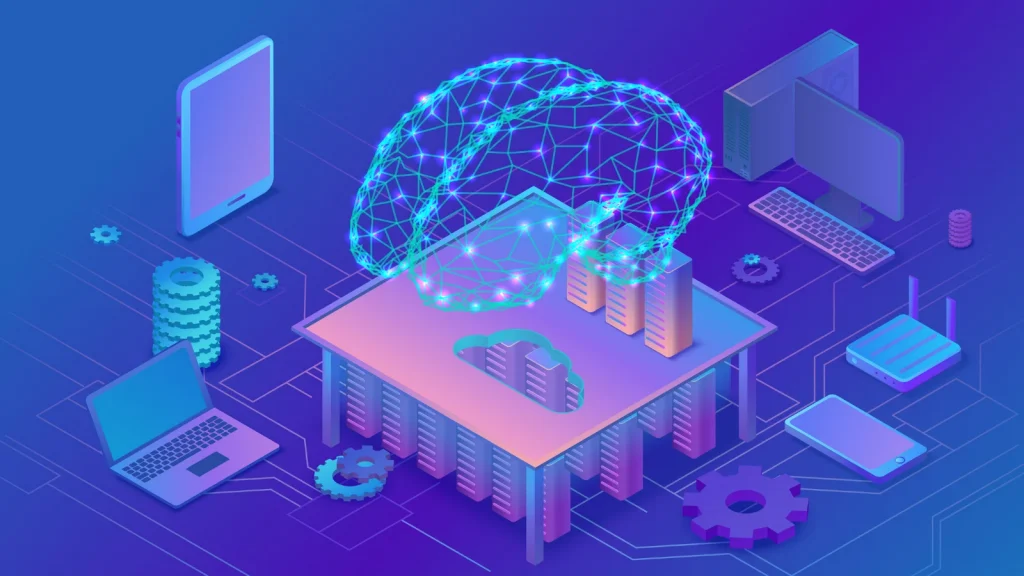
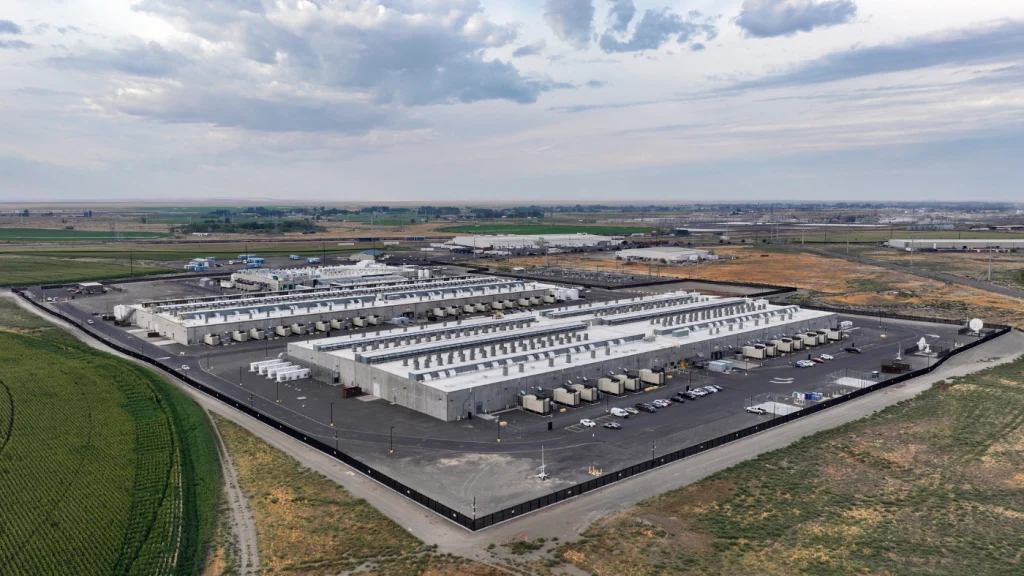
As the technological ecosystem matures and artificial intelligence continues to cement itself as a foundational layer across nearly every industry, 2026 is shaping up to be a pivotal year marked by unprecedented investment acceleration, widespread adoption, and intense competition among both established corporations and emerging innovators. With governments recognizing AI not just as a driver of productivity but as a strategic necessity for economic resilience and national security, funding initiatives and collaborative research programs are expanding on a scale previously unseen. Meanwhile, private sector spending is surging as organizations seek to integrate smarter analytics, generative models, automation frameworks, and adaptive decision systems into their workflows. This surge in global spending underscores a broader shift—AI is no longer a niche technology or a specialized toolset, but an essential infrastructure component defining how industries evolve, respond to disruption, and generate new forms of value in an increasingly data-centric world.
The Global Race to Integrate AI
The sustained rise in global AI investment throughout 2026 is not just a matter of financial commitment; it represents a sweeping transformation of priorities across sectors—from healthcare and finance to manufacturing, logistics, and creative industries—each redefining their operational blueprints around advanced machine learning and intelligent automation. Healthcare providers, for instance, are channeling funds into AI-driven diagnostics and predictive modeling to enhance patient outcomes and optimize healthcare delivery. Financial institutions are embedding generative AI into customer service, fraud detection, and portfolio management systems, aiming to balance risk with efficiency and personalization. Manufacturing and logistics sectors are leveraging computer vision and predictive maintenance to mitigate supply chain disruptions, while the creative sectors are exploring new frontiers in content generation, design support, and audience analytics.
On the governmental front, 2026 has seen renewed emphasis on policy alignment and strategic partnerships designed to bolster national AI ecosystems. The European Union continues to refine its AI Act, prioritizing ethical oversight and accountability, whereas countries such as the United States, China, India, and South Korea are significantly boosting their national AI research budgets. Public-private partnerships are flourishing, bringing together academia, startups, and multinational corporations to accelerate innovation in areas such as sustainable energy, climate modeling, and disaster response. This collaborative momentum is driving not only technological advancement but also a redefinition of the global competitive landscape, where access to data, computing infrastructure, and skilled AI talent determines digital leadership.
Equity and inclusivity are increasingly becoming central themes in this investment wave. Policymakers and investors are directing capital toward scalable AI ecosystems capable of addressing global challenges such as climate change, agricultural efficiency, and digital inclusion. Efforts are underway to bridge the AI skills gap—an obstacle that has persisted despite rapid technological progress—through education initiatives and workforce reskilling programs. As organizations pivot toward automation and intelligent decisioning, the human-AI collaboration model is evolving, emphasizing augmentation rather than displacement.
From a macroeconomic perspective, analysts estimate that worldwide AI spending could exceed several hundred billion dollars by the end of 2026, marking one of the fastest-growing categories in technology investment. Venture capital funding in AI startups remains robust, with particular enthusiasm surrounding foundation models, AI chips, and domain-specific applications that promise measurable business ROI. The availability of cloud-based AI services and open-source model frameworks has further democratized access, enabling small and medium enterprises to participate in the AI transformation with lower entry barriers.
This convergence of market confidence, strategic government involvement, and cross-border collaboration illustrates a powerful global alignment: artificial intelligence has become the engine of long-term digital growth, shaping new economic frontiers and redefining how human expertise and computational intelligence will coexist in shaping productivity, equity, and sustainability worldwide.
As 2026 unfolds, one message is clear—AI is not merely influencing industries; it is rewriting their DNA. The rising tide of global spending reflects more than technological optimism—it signifies a structural evolution in how societies create value, make decisions, and envision the future of innovation in an increasingly intelligent world.