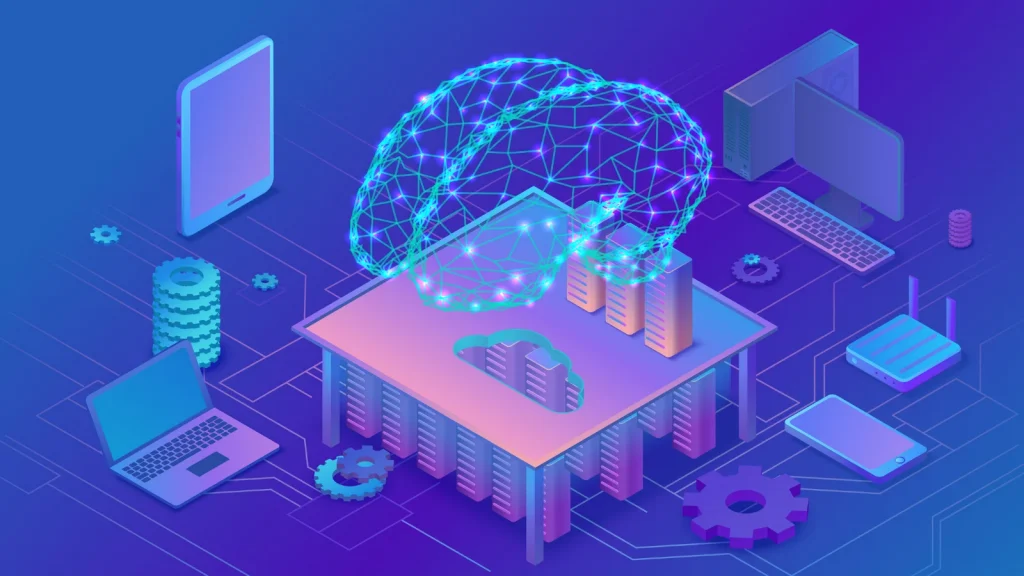
Just a few years ago, generative AI felt like a futuristic experiment—an intriguing demonstration of machine learning’s potential, but far removed from daily life. Now, that boundary has blurred entirely. Everyday tools are adopting AI-driven capabilities in subtle but impactful ways. Word processors can draft outlines or compose coherent reports based on a few prompts. Presentation software can design slides automatically by interpreting key points. Even spreadsheet programs are evolving, using language models to interpret complex data queries and return insights expressed in plain English.
This integration has fueled unprecedented gains in both efficiency and creativity. In marketing departments, AI models can instantly generate variations of advertisements targeted for different demographic profiles. In graphic design, AI-powered layouts and generative fill tools enable designers to explore more variations in less time, elevating creative exploration rather than merely accelerating production. For educators and researchers, intelligent summarization and concept explanation tools are democratizing access to knowledge by helping users synthesize large datasets or academic papers into clear, conversational insights.
Software developers, too, have felt the change. Code generation and suggestion tools are now standard components of development environments, helping programmers rapidly identify bugs, write cleaner code, and even learn new programming languages through example. The presence of these AI collaborators has made the act of creation—from writing to coding to designing—less about mechanical repetition and more about strategic thinking, focusing human attention where it matters most.
Yet this newfound power brings complex challenges. The pervasive use of generative AI raises valid concerns about the authenticity of output, as distinguishing between human-created and AI-generated material becomes increasingly difficult. Questions of intellectual property and accountability are becoming central—if an AI system contributes heavily to a creative project, where does human ownership begin or end? These debates underscore a growing need for clear frameworks addressing authorship and attribution in the digital age.
What makes this moment particularly transformative is how invisible AI has become. It’s not only about overtly “AI-branded” tools—it’s about the quiet intelligence running in the background of common applications. Email clients now offer context-aware replies, voice assistants personalize reminders and adjust tone, and customer support chatbots can handle increasingly nuanced conversations. This ubiquity signifies a shift from artificial intelligence as an add-on to AI as the foundation upon which digital interactions are built.
Developers are responding accordingly, designing interfaces that foster collaboration between user and algorithm. New generations of software are learning to anticipate intent without overstepping privacy boundaries, reflecting a continuing tension between personalization and data protection. In workplace platforms, AI helps teams manage projects, synthesize strategy documents, and even detect burnout trends through communication data—all while requiring transparent protocols to prevent misuse or overreach.
Ethical and environmental considerations remain urgent as well. Training and running large-scale generative models demands immense computational resources, contributing to energy consumption and environmental impact. Companies are therefore investing in model optimization, renewable-powered data centers, and carbon accountability initiatives. Meanwhile, efforts to address algorithmic bias—ensuring equitable outcomes for diverse users—are helping shape AI’s role as an inclusive rather than exclusionary technology.
Looking ahead, the fusion of generative AI with everyday tools points toward a hybrid digital culture: one where machines amplify rather than replace human thought and creativity. The future will likely emphasize symbiosis, with AI systems serving as adaptive collaborators that understand context, respect boundaries, and extend human capacity across domains. The success of this evolution depends not just on technological breakthroughs, but on society’s collective choices about transparency, ethics, and education.
As generative AI continues to evolve, so too will our relationship with creation itself. The tools we use daily are no longer passive instruments—they are becoming conversational partners, capable of understanding intent, improvising solutions, and inspiring new forms of collaboration. Whether in art, business, communication, or learning, this quiet revolution is redefining what it means to create in the digital age: a balance of ingenuity, responsibility, and shared intelligence between humans and machines.