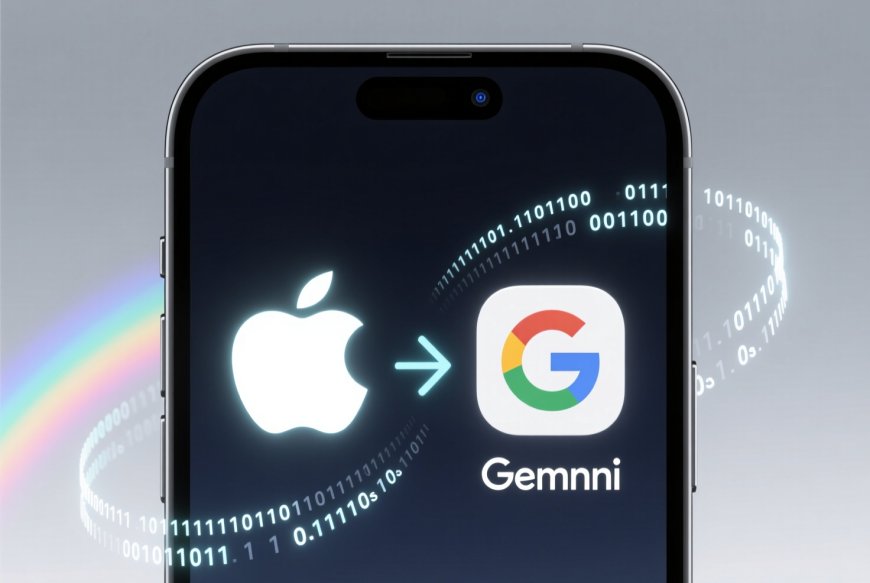
As artificial intelligence continues to reshape technology landscapes, Apple’s decision to expand its network of AI partnerships underscores its recognition that collaboration, not competition alone, will define the next frontier of intelligent computing. Industry insiders have reported that Apple has been in active discussions with major AI developers and research organizations to co‑develop models that complement Siri’s abilities. These collaborations may include alliances with both established cloud AI providers and emerging startups pioneering next‑generation machine learning architectures. Through these partnerships, Apple intends to leverage diverse AI perspectives—drawing upon external innovations in natural language processing, generative modeling, and multimodal understanding—to accelerate the evolution of its own proprietary systems. By integrating these resources with Apple’s unique software ecosystem, Siri could soon offer a more dynamic and adaptive experience: understanding gestures, visual cues, and environmental context in addition to spoken language. The goal is to create a voice assistant that not only executes tasks but also comprehends the user’s environment, emotions, and priorities. A more sophisticated Siri could, for example, detect when a user is driving and offer relevant audio navigation cues, or notice a change in tone during a discussion and respond empathetically. In enterprise settings, Siri may evolve into a digital collaborator capable of summarizing meetings, generating emails, or coordinating team workflows through Apple’s productivity suite. Apple’s partnerships are also expected to enhance interoperability within its app ecosystem. Developers may soon have expanded opportunities to build voice‑driven extensions that connect Siri more meaningfully to third‑party applications. Such openness reflects a subtle but significant cultural shift within Apple—one that balances ecosystem control with user and developer empowerment. Every integration will, of course, be vetted through Apple’s rigorous privacy protocols, ensuring data minimization and safeguarding personal information at every step. From an infrastructure perspective, Apple’s exploration of new AI alliances also touches on environmental and ethical considerations. The company continues to advocate for sustainable computing, aiming to develop energy‑efficient AI models and hardware optimized for low‑power processing. This approach not only aligns with Apple’s environmental commitments but also positions the company as a leader in responsible AI development—a crucial differentiator in an era of widespread data concerns. Beyond technology, the strategic symbolism of these partnerships cannot be overlooked. For years, Apple’s cautious approach to AI contrasted sharply with the rapid experimentation seen from competitors. However, this new collaborative strategy suggests a comfortable maturity—a willingness to merge Apple’s deep user‑centric philosophy with external innovation to accelerate progress while maintaining its values. If successful, these alliances could produce a paradigm shift. Siri may evolve into an AI companion capable of adapting continuously, bridging mobility, productivity, and creativity in ways that feel both natural and distinctly human. In doing so, Apple’s reimagined AI assistant could redefine the emotional and functional role of technology—not as a tool, but as a partner that understands, assists, and learns alongside its users, embodying the next true step toward human‑centered artificial intelligence.