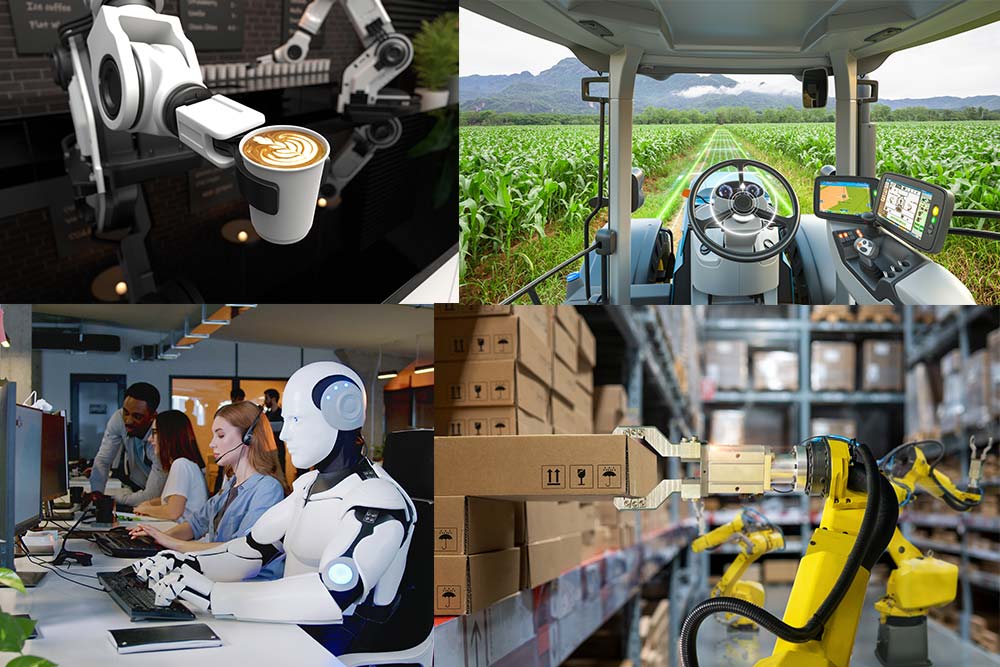
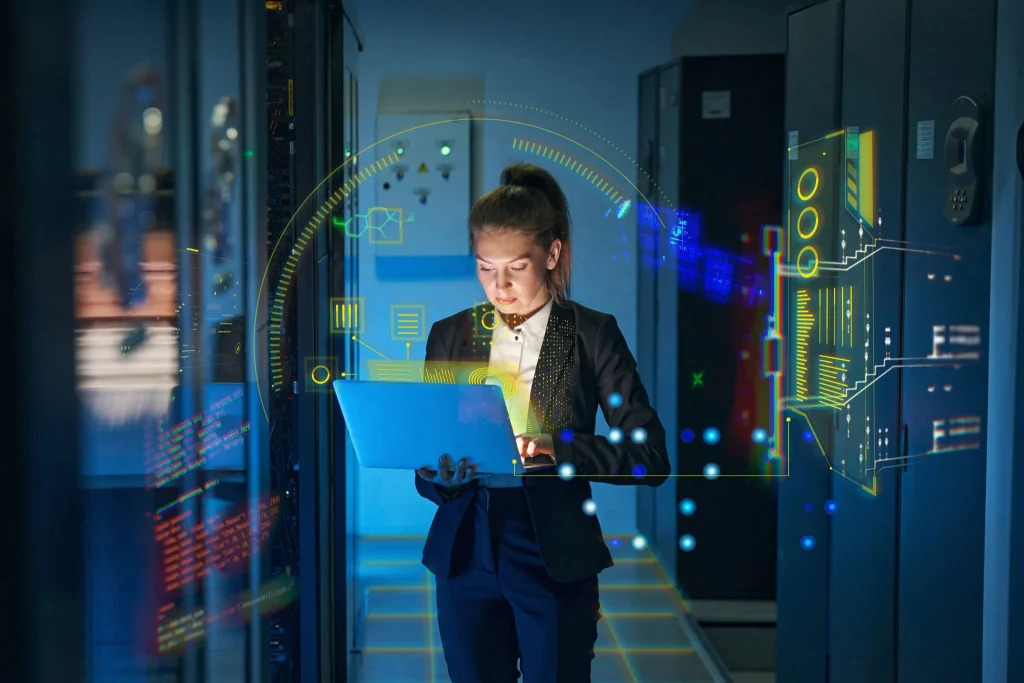
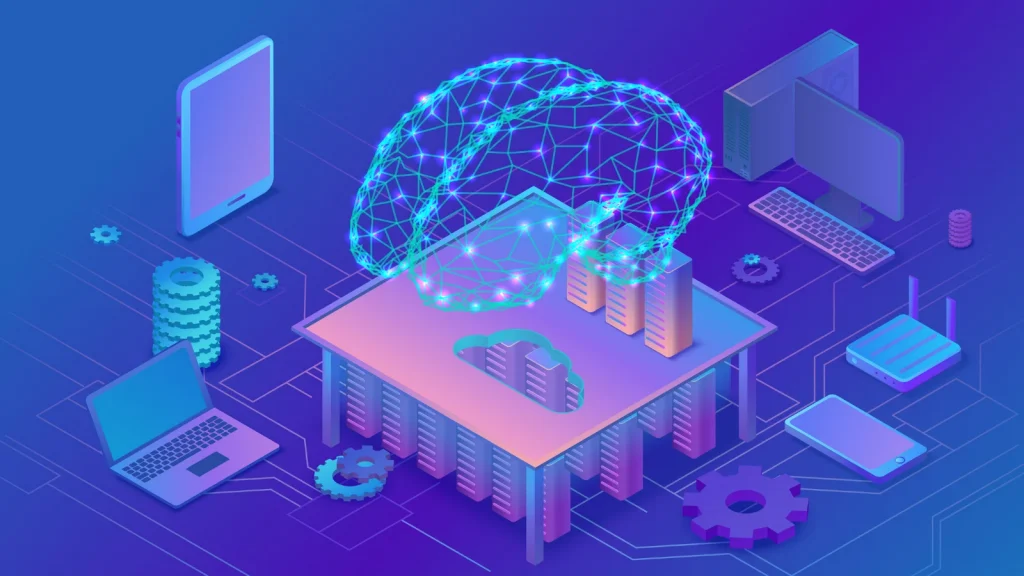
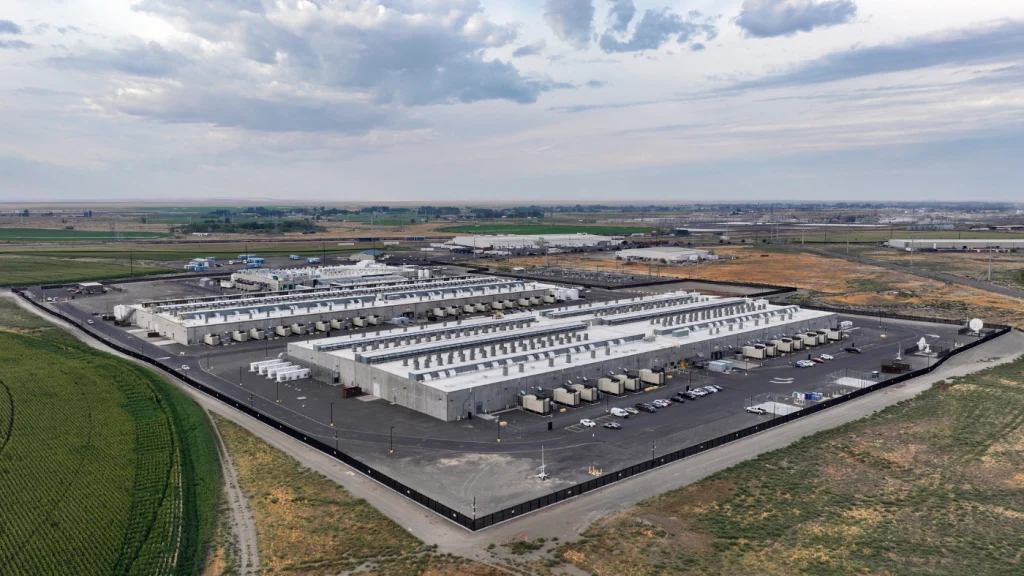
The pace of change within the tech industry has accelerated dramatically as artificial intelligence matures from experimental tool to core operational driver. Companies across every segment—from cloud computing giants and cybersecurity firms to software startups and semiconductor manufacturers—are reorganizing teams to align with AI-first strategies. Traditional roles, such as software engineers, data analysts, and product managers, are being redefined to include not just technical mastery but also the ability to leverage AI for insight generation and decision support. At the same time, entirely new positions have emerged: prompt engineers, AI ethicists, model operations (ModelOps) specialists, and human-AI interaction designers.
This evolution signifies more than a structural reshuffling—it represents a philosophical shift about what work is and how human value is expressed in an age dominated by intelligent systems. Where once productivity was measured in hours and output, now it’s being gauged through capacity to innovate, to problem-solve creatively alongside machines, and to make nuanced judgments that algorithms cannot replicate. Organizations are seeking employees who can bridge the interpretive gap between what AI delivers and what humans must decide. This dynamic interplay between human and machine intelligence is rapidly becoming the defining characteristic of successful digital transformation strategies.
As companies adapt, the emphasis on lifelong learning is intensifying. Many are investing in internal training ecosystems, bootcamps, and collaborations with universities to ensure their workforce remains fluent in the evolving AI landscape. Upskilling initiatives are targeting not only engineers but also professionals in areas such as HR, marketing, finance, and operations—people who may not build AI models but who increasingly need to understand and manage their implications. Meanwhile, automation continues to streamline repetitive work, enabling teams to focus on higher-order innovation. Yet this very efficiency creates a dual challenge: while AI eliminates some forms of labor, it simultaneously demands new kinds of expertise, creating pressure for workers to adapt before skills become obsolete.
Central to the success of this shift is how companies manage the social and ethical implications of their AI strategies. As machine learning systems begin to perform tasks previously handled by skilled professionals—such as writing code, generating visual content, or interpreting customer data—the line between human and machine contribution is blurring. Without deliberate policy and design choices, this blurring could lead to workforce displacement or the undervaluing of human insight. Progressive organizations are confronting these challenges head-on, framing AI not as a replacement but as a collaborative accelerator. They are creating hybrid roles where employees partner with AI assistants to test hypotheses, enhance creativity, or personalize services at unprecedented scale.
Furthermore, companies are beginning to emphasize transparency in AI usage. Ethical AI frameworks and governance structures are being implemented to ensure fairness, explainability, and accountability. Human oversight is increasingly seen not as a safeguard after deployment but as a constant companion to algorithmic operation. This attention to human governance reinforces trust—not only within organizations but also among consumers and wider society—and helps ensure that the benefits of AI innovation are distributed equitably.
At the macroeconomic level, the rebalancing of roles around AI could reshape labor markets for decades. There is potential for new forms of employment centered on human creativity, empathy, and strategic thinking, even as certain repetitive or analytical tasks are phased out. Governments and educational institutions will need to adapt as well, reimagining how they prepare citizens for an AI-augmented economy. Continuous education, flexible career transitions, and social safety nets that support experimentation and lifelong learning will be crucial components of future workforce resilience.
In the end, the integration of AI across the tech industry represents both a technological evolution and a reawakening of what it means to work intelligently. The next decade will likely determine whether that transformation enhances or diminishes the human role in innovation. If managed thoughtfully—anchored in inclusivity, adaptability, and ethical design—the AI revolution could mark not just a new chapter in technological progress, but the beginning of an era where human creativity and machine intelligence coexist to redefine the very essence of possibility.